

Industrial intelligence.
Trusted decisions.
Abakai helps manufacturing teams connect operational evidence, engineering knowledge, and context to support faster, more explainable decisions.
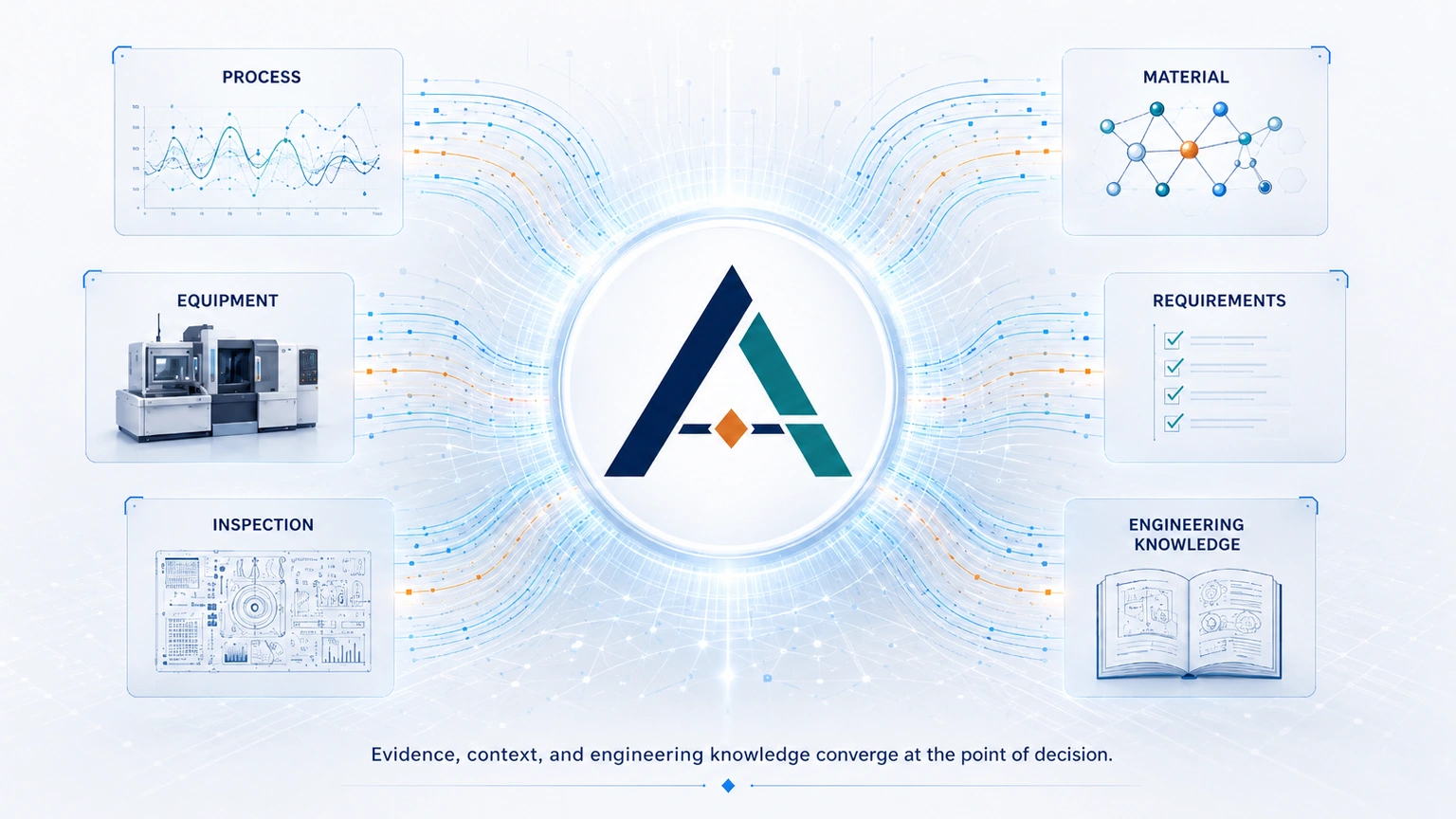
Fragmented evidence to trusted engineering decisions.
Manufacturing evidence lives across process data, equipment, inspection, engineering documents, specifications, and human expertise. Abakai is focused on making those relationships usable for engineering decisions.
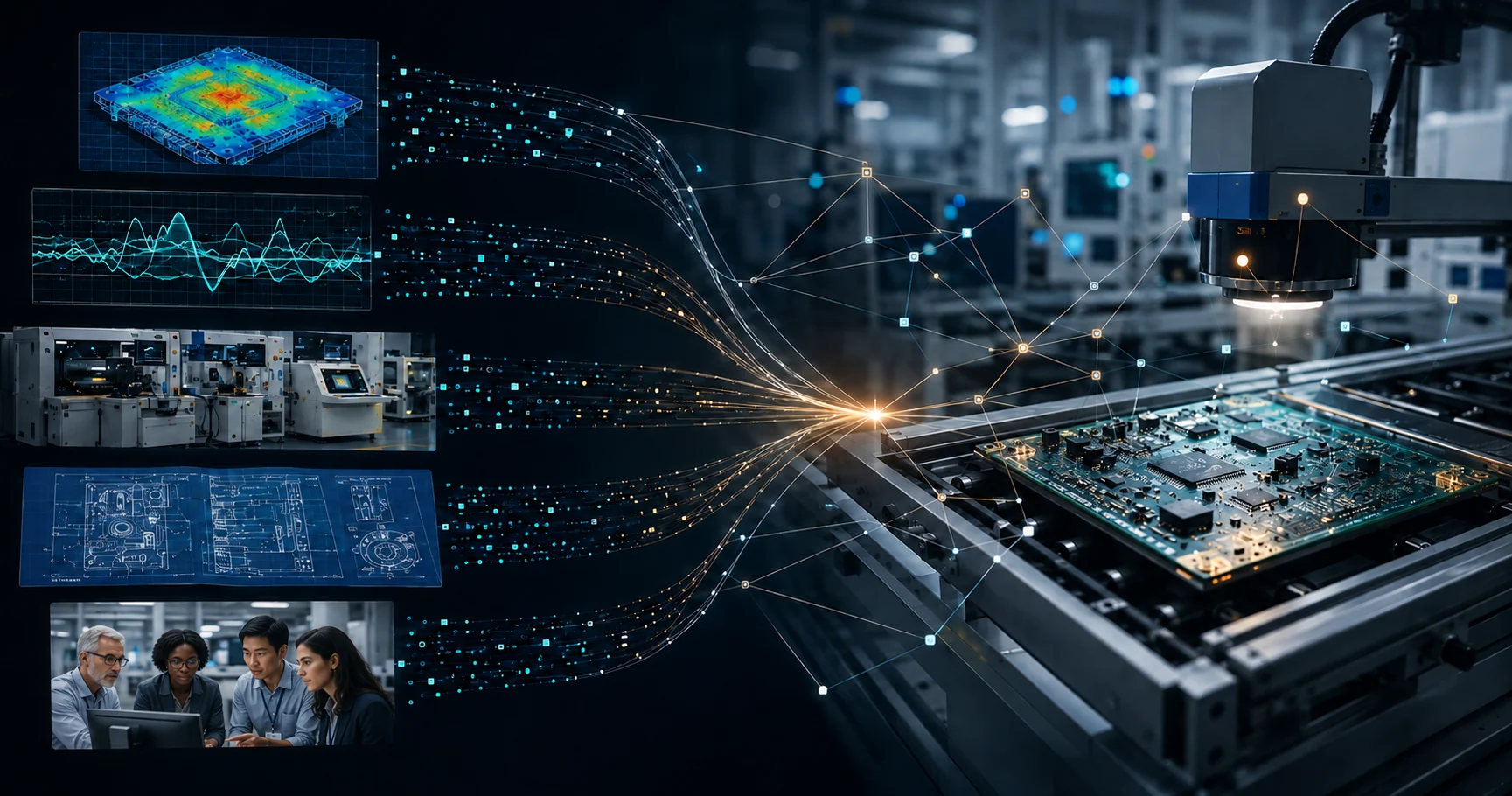
Manufacturing has data. The harder problem is understanding what it means.
Difficult engineering investigations rarely depend on one system. The relevant evidence is distributed across operations, inspection, documentation, specifications, and experience.
From fragmented information to decision-ready evidence.
The objective is not simply to centralize data. It is to establish the context and reasoning needed to make that information useful.
Data
Observations, events, measurements, and documents.
Context
What belongs together—and under what conditions.
Evidence
Relevant information organized for investigation.
Reasoning
Engineering knowledge, constraints, and AI signals.
Decision
A recommendation engineers can understand and review.
Where engineering reasoning can help.
Quality & Root-Cause Analysis
Bring inspection, process, equipment, material, requirement, and engineering evidence into a more disciplined investigation.
Process & Equipment Decision Support
Help engineers assess operating conditions, constraints, symptoms, prior events, and likely next actions.
Engineering Knowledge for AI
Make specifications, standards, FMEAs, lessons learned, and expert knowledge more usable in AI-enabled workflows.
Connect. Contextualize. Reason. Review. Learn.
A human-guided path from manufacturing information to trustworthy engineering decisions.
Connect
Bring relevant operational and engineering information together.
Contextualize
Establish relationships among product, process, equipment, material, and requirements.
Reason
Combine data-driven evidence with engineering knowledge and constraints.
Review
Expose the evidence and assumptions behind recommendations.
Learn
Capture validated findings so future decisions benefit from prior work.
Manufacturing decisions require more than a model.
Useful decision support should reflect the engineering reality behind the data—and make the supporting evidence reviewable.
Starting where manufacturing decisions are especially complex.
Abakai’s initial work focuses on manufacturing environments where quality, process, and equipment decisions depend on evidence distributed across many systems and engineering sources.
Evidence before assertion
Recommendations should point back to the information that supports them.
Context before automation
Manufacturing meaning matters before increasingly autonomous action.
Engineering judgment where it matters
Human review remains central to consequential decisions.
Help shape trustworthy manufacturing AI.
We are speaking with manufacturing and technology professionals about how engineering teams investigate problems, use evidence, and make operational decisions.